Hair Transplant Density: Maximizing Natural-Looking Results

Learn about hair transplant density and how surgeons achieve natural-looking results. Discover factors affecting density, optimal graft placement, and techniques for maximizing hair density in transplant procedures.
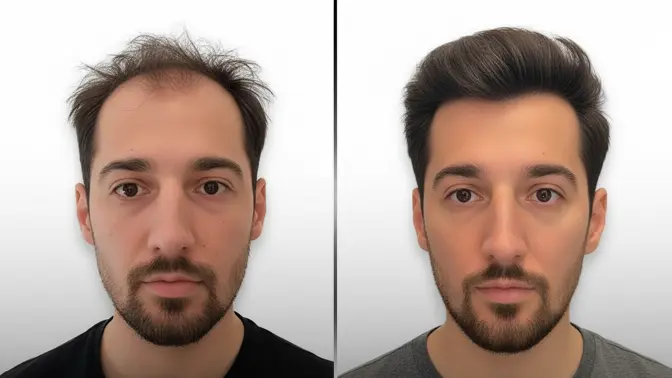
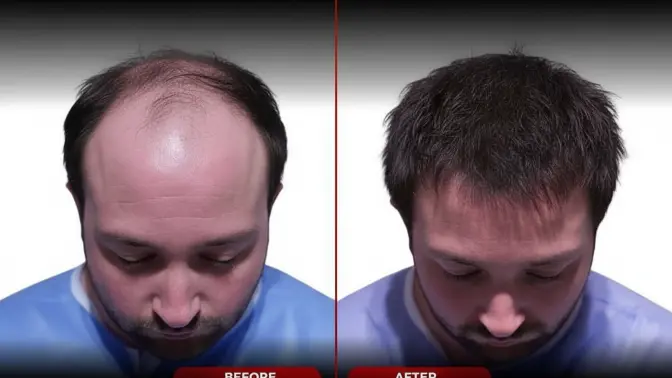
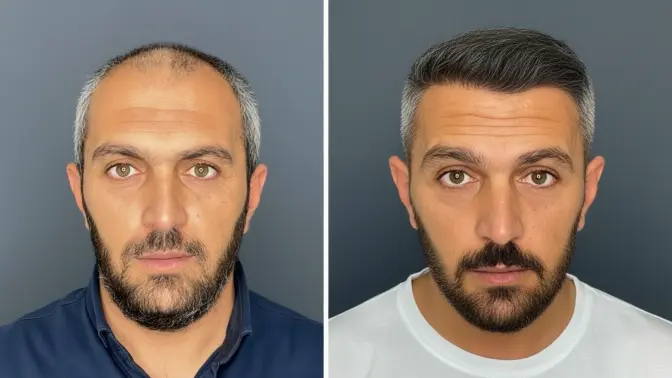
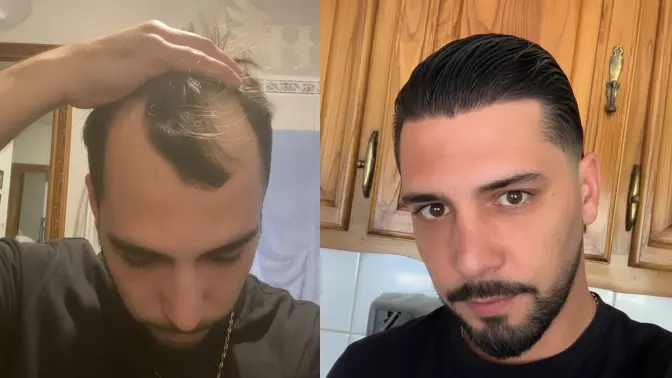
Achieving natural-looking density is one of the primary goals of any hair transplant procedure. Density refers to the number of hair follicles per square centimeter in the transplanted area. Proper density planning and execution are crucial for creating results that look natural and match your existing hair. This guide explores how surgeons plan and achieve optimal density, the factors that influence final results, and techniques for maximizing natural-looking hair density.
UNDERSTANDING HAIR DENSITY
Natural hair density varies significantly between individuals, typically ranging from 80 to 120 follicles per square centimeter in healthy scalps. Hair transplant procedures aim to recreate this natural density, though achieving 100% of original density isn't always possible or necessary. Surgeons strategically place grafts to create the appearance of full density while working within the limitations of available donor hair. The goal is to achieve a density that looks natural and blends seamlessly with existing hair.
FACTORS AFFECTING DENSITY
Several factors influence the final density achievable in a hair transplant. The amount of available donor hair is the primary limiting factor—patients with extensive hair loss may not have enough donor hair to achieve maximum density everywhere. Hair characteristics like thickness, texture, and color also affect perceived density. Thicker, darker hair creates the appearance of greater density than fine, light hair. The extent of existing hair loss and the size of the area to be covered also determine density planning.
STRATEGIC DENSITY PLANNING
Experienced surgeons use strategic density planning to maximize the visual impact of available grafts. Higher density is typically placed in the frontal hairline and central areas, where it's most visible, while slightly lower density may be acceptable in less prominent areas. This approach creates the appearance of full coverage while making the most efficient use of limited donor hair. The planning process considers your facial features, hairline design, and long-term hair loss progression.
GRAFT PLACEMENT TECHNIQUES
Precise graft placement is essential for achieving natural density. Surgeons place grafts at specific angles and directions that match natural hair growth patterns. Single-hair grafts are typically used in the hairline for a natural appearance, while multi-hair grafts provide density in areas behind the hairline. The spacing between grafts is carefully calculated to ensure even distribution and natural-looking results. Advanced techniques like DHI (Direct Hair Implantation) allow for even more precise control over graft placement and density.
MAXIMIZING PERCEIVED DENSITY
Surgeons use various techniques to maximize perceived density even when actual graft numbers are limited. Proper angulation ensures that hair lies flat against the scalp, creating better coverage. Strategic placement of multi-hair grafts in the right locations can significantly enhance the appearance of density. Additionally, working with existing hair (if present) and blending transplanted hair seamlessly creates the illusion of greater overall density.
"Achieving natural density isn't just about the number of grafts—it's about strategic placement, proper angulation, and creating seamless integration with existing hair."
DENSITY IN MULTIPLE SESSIONS
For patients requiring extensive coverage, multiple transplant sessions may be recommended to achieve optimal density. The first session establishes the foundation and basic density, while subsequent sessions can add additional density and refine results. This approach allows surgeons to work within safe donor area limits while gradually building toward the desired final density. Sessions are typically spaced 12-18 months apart to allow for full healing and growth from the previous procedure.
REALISTIC DENSITY EXPECTATIONS
It's important to have realistic expectations about achievable density. While modern techniques can create excellent results, achieving 100% of your original hair density may not always be possible, especially for patients with extensive hair loss. However, skilled surgeons can create results that look natural and provide excellent coverage, even when working with limited donor hair. A thorough consultation will help you understand what density is achievable in your specific case.